

Why Infrastructure Decisions Are Strategic Business Moves: What Leaders Can Learn from the Residential Roofing Industry

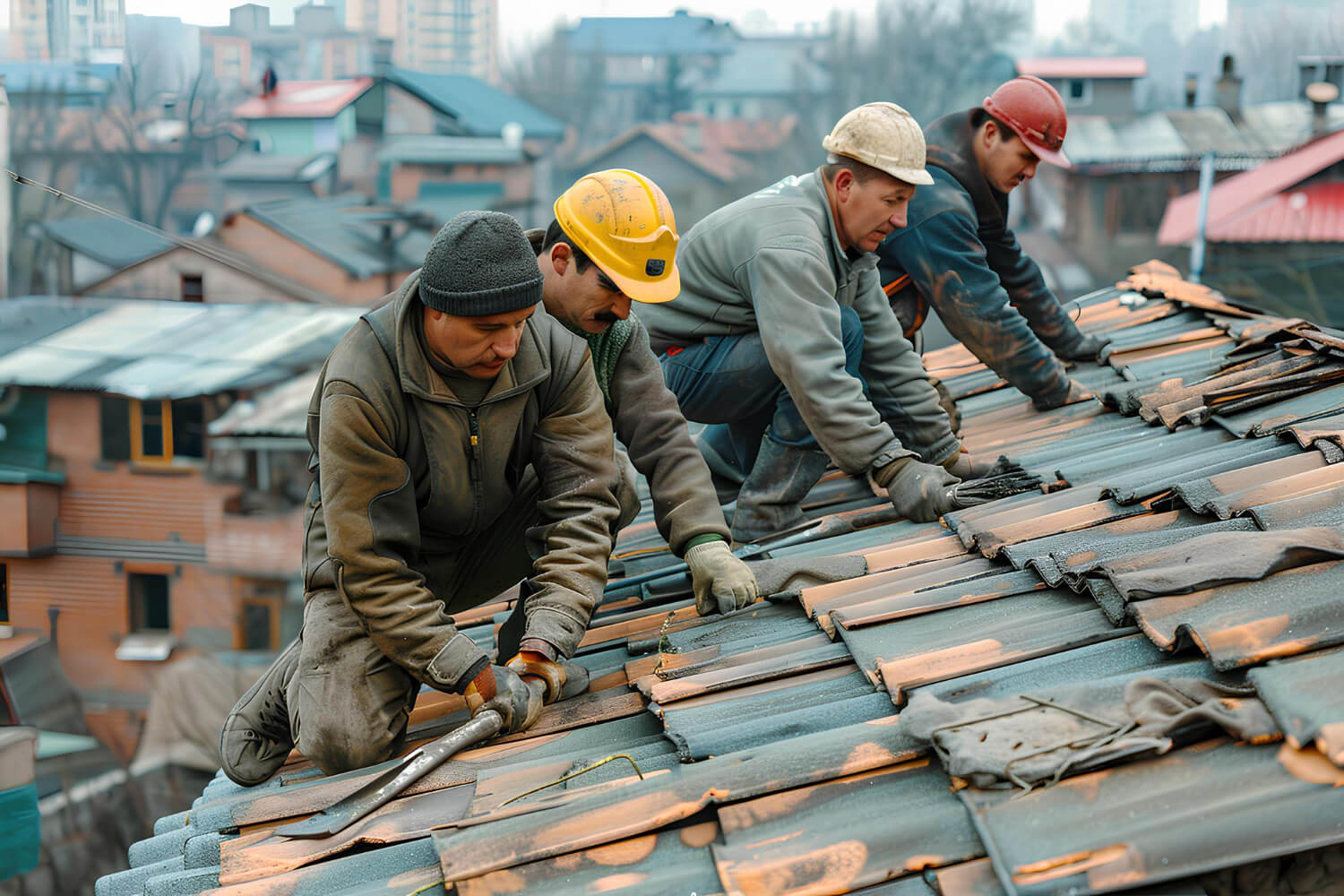
In business strategy, leaders are trained to think in terms of systems, scalability, and long-term value creation. Yet one area often overlooked in strategic conversations is physical infrastructure. Whether we are talking about commercial facilities, logistics hubs, or residential property investments, structural integrity directly impacts operational stability and long-term ROI.
For example, when property owners in Southwest Florida evaluate a residential roofing company naples, they are not simply hiring contractors — they are making a risk management and asset protection decision. In the same way executives evaluate technology vendors, partnerships, and operational frameworks, homeowners must assess reliability, longevity, and future-proofing.
The principles behind choosing a roofing partner mirror the core foundations of strong leadership: due diligence, long-term planning, and strategic foresight.
Infrastructure as a Strategic Asset
In modern business thinking, assets are no longer limited to financial capital. Today’s strategic leaders understand that infrastructure — both digital and physical — forms the backbone of sustainable growth.
A poorly maintained physical asset creates:
-
Unplanned downtime
-
Increased liability risk
-
Rising maintenance costs
-
Loss of long-term value
This applies equally to office buildings, rental properties, and residential investments.
Roofing, in particular, serves as a powerful metaphor for business resilience. A strong roof protects everything beneath it. Similarly, strong leadership frameworks protect teams, operations, and long-term vision.
In hurricane-prone areas like Florida, roofing decisions are not cosmetic — they are existential. The same applies to strategic decisions inside organizations operating in volatile markets.
Risk Management: Lessons from Coastal Real Estate
Business leaders are constantly navigating risk: economic downturns, market disruption, regulatory shifts, technological transformation.
Homeowners in coastal regions face similar realities in a physical sense:
-
Extreme weather events
-
High humidity
-
Salt air corrosion
-
Insurance volatility
Ignoring structural vulnerability can result in catastrophic loss. In business, ignoring operational weaknesses can do the same.
The strategic lesson is clear: prevention is less expensive than recovery.
Proactive inspections, timely upgrades, and working with proven professionals reduce exposure. In leadership terms, this translates to regular performance audits, scenario planning, and investment in durable systems rather than reactive crisis management.
Vendor Selection as a Leadership Skill
Choosing the right service provider is one of the most critical decisions any executive makes. Whether selecting a SaaS platform, logistics partner, or marketing agency, the evaluation process determines long-term success.
The same evaluation logic applies in construction and property maintenance industries.
Strategic decision-makers typically consider:
-
Track record and reputation
-
Compliance with industry standards
-
Warranty protection
-
Long-term service support
-
Financial stability
These criteria mirror procurement best practices in enterprise leadership.
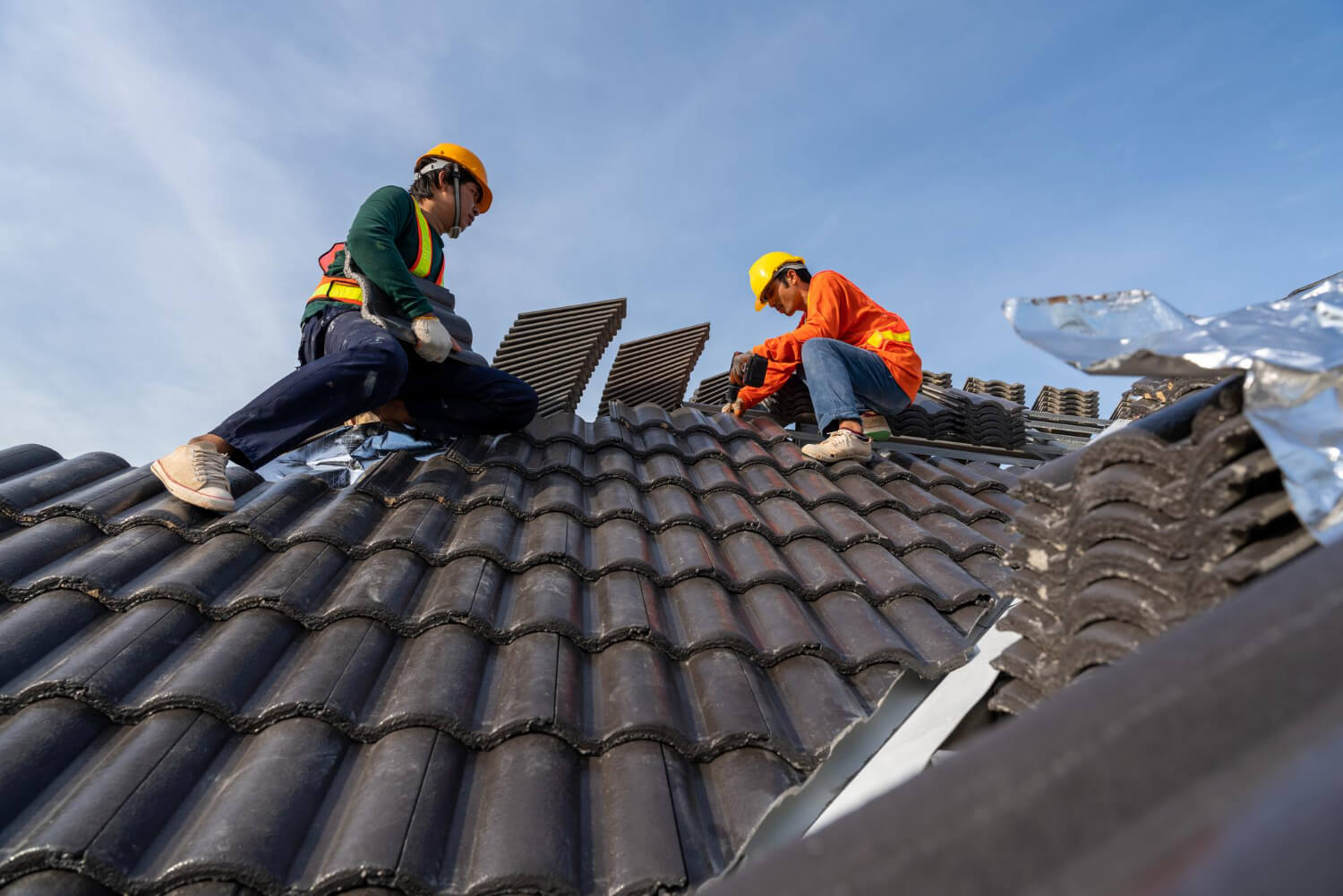
The roofing industry provides a practical case study in vendor evaluation. A company’s experience in handling region-specific environmental challenges, insurance processes, and regulatory compliance can significantly affect outcomes.
Leadership is ultimately about selecting partners who align with long-term goals — not simply the lowest bidder.
Long-Term ROI vs. Short-Term Savings
One of the most common strategic mistakes in business is prioritizing short-term cost savings over long-term value creation.
In residential property management, cutting corners on structural components may save money initially but often leads to significantly higher costs later.
Similarly, underinvesting in foundational systems — whether cybersecurity infrastructure, employee development, or building maintenance — exposes organizations to compounding risk.
High-performing leaders understand:
-
Durable solutions outperform temporary fixes
-
Predictability increases valuation
-
Stability attracts investors
-
Resilience improves reputation
When structural systems are strong, organizations — and properties — can focus on growth rather than crisis response.
Operational Continuity and Asset Protection
Business continuity planning is a core function of strategic leadership. Leaders design contingency plans to minimize disruption in the face of unexpected events.
Physical infrastructure directly influences continuity. Water intrusion, structural damage, or neglected maintenance can disrupt operations, displace tenants, and create legal complications.
This principle is especially relevant in real estate investment strategies.
For entrepreneurs managing rental portfolios or working in property-based business models, structural integrity becomes part of operational scalability. Reliable roofing systems reduce emergency expenses, protect interior assets, and maintain predictable cash flow.
In essence, physical durability supports financial durability.
Reputation, Trust, and Market Positioning
In leadership theory, brand trust is built through consistency and reliability. The same holds true for companies operating in service-based industries.
Professional service providers who demonstrate transparency, clear communication, and adherence to safety standards differentiate themselves in competitive markets.
For business leaders, this reinforces an important lesson: reputation compounds over time.
Organizations that consistently deliver quality outcomes build long-term client relationships and referral networks. This applies across sectors — from tech innovation to construction services.
Strategic leaders prioritize reputation as a measurable asset.
Technology’s Role in Modern Infrastructure
Emerging technologies are transforming industries once considered purely manual or traditional.
In the construction and roofing sectors, innovation now includes:
-
Drone-assisted inspections
-
Moisture detection sensors
-
Advanced weather-resistant materials
-
Energy-efficient reflective systems
-
Integrated solar-ready designs
From a strategic perspective, this reflects a broader truth: no industry is immune to technological evolution.
Leaders who embrace innovation — even in traditional sectors — gain competitive advantage. Those who ignore technological shifts risk obsolescence.
This is equally true in software development, remote team management, and infrastructure-based industries.
Strategic Thinking Beyond the Digital World
Much of modern business discourse focuses on digital transformation. However, physical infrastructure remains a foundational component of economic activity.
Warehouses, homes, retail spaces, and offices continue to underpin entire ecosystems.
Strong leaders recognize that digital and physical assets are interconnected. A software company may operate remotely, but its employees live and work within physical environments that require stability and reliability.
Real estate investors, property managers, and entrepreneurs who treat structural decisions as strategic investments — rather than maintenance tasks — position themselves for sustainable growth.
The Leadership Mindset: Building for the Long Term
At its core, leadership is about stewardship.
Whether managing a startup, scaling a remote team, or overseeing property assets, leaders are responsible for safeguarding long-term value.
Key principles shared between strong leadership and infrastructure management include:
-
Proactive planning
-
Data-informed decisions
-
Risk mitigation
-
Long-term durability
-
Alignment with future growth
These principles transcend industry boundaries.
Investing in reliable structural systems mirrors investing in leadership development, operational clarity, and scalable frameworks.
Final Takeaway
Infrastructure decisions are rarely glamorous. They do not generate viral headlines or rapid short-term gains.
Yet they form the foundation upon which sustainable success is built.
From a strategic perspective, evaluating structural integrity, vendor reliability, and long-term durability reflects the same mindset that drives effective leadership.
Business leaders who think holistically — integrating physical asset management into their strategic frameworks — strengthen resilience across every dimension of their operations.
In both business and property management, the strongest structures are built with foresight.